How to Start a Mobile Bar Business
There's something undeniably appealing about running a mobile bar. You get to be part of people's celebrations — weddings, festivals, corporate events, birthdays — while running a flexible business that doesn't tie you to a fixed location. The UK events industry is thriving, and mobile bars have carved out a solid niche within it.
But like any business, there's a lot more to it than buying a trailer and some gin. Licensing, insurance, food safety, pricing, tax — all of these need to be sorted before you pour your first drink. In this guide, we'll walk through everything you need to know to start a mobile bar business in the UK.
Choosing Your Mobile Bar Format
The first decision is what kind of mobile bar you want to run. There are several formats, each with different costs, logistics, and target markets:
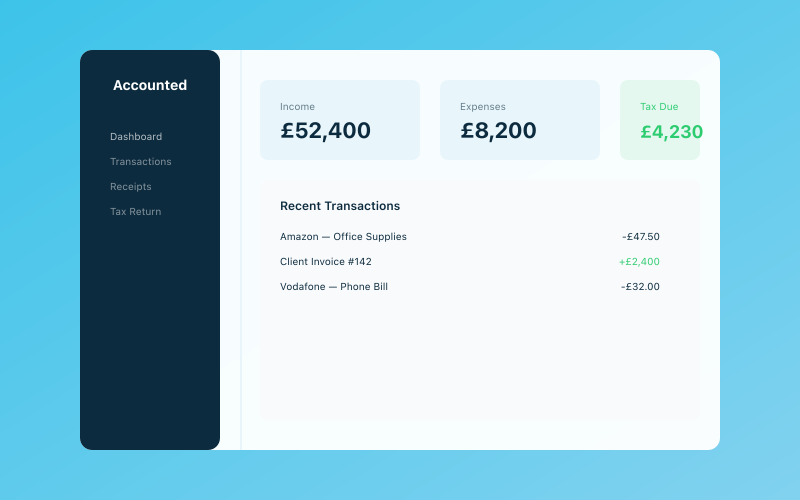 Your Accounted dashboard — income, expenses, and tax at a glance
Converted vehicles. Horse boxes, vintage caravans, VW camper vans, and Land Rovers are all popular choices. A well-converted vehicle creates instant visual appeal and works brilliantly for weddings and premium events. Expect to spend anywhere from £5,000 to £30,000 or more on purchasing and converting a vehicle, depending on the condition and the level of finish.
Bar trailers. Purpose-built bar trailers are designed for easy transport and quick setup. They're practical for high-volume events like festivals and can range from £3,000 for a basic setup to £20,000+ for a fully kitted-out trailer.
Pop-up bars. These can be as simple as a branded counter with shelving, transported in a van. They're the most affordable option to start with (potentially under £2,000) and work well for corporate events, markets, and smaller gatherings.
Bicycle bars or tricycle bars. Quirky and eye-catching, these suit cocktail-focused or small-event setups. They typically cost between £2,000 and £8,000.
Think about your target market when choosing. Weddings tend to favour the aesthetics of a converted horse box. Festival work demands durability and speed. Corporate events need a professional, polished look.
Licensing — The Non-Negotiable
You cannot sell or supply alcohol in England and Wales without the correct licences. Getting this wrong can mean fines, prosecution, and the end of your business before it starts.
Personal Licence. You need a personal licence to authorise the sale of alcohol. To get one, you must:
- Be 18 or over
- Hold an accredited licensing qualification (the Award for Personal Licence Holders, often called the APLH, typically costs £100-£200 and takes one day)
- Pass a basic DBS (Disclosure and Barring Service) check
- Apply to your local council (the fee is £37)
Premises Licence or Temporary Event Notice (TEN). Since your bar is mobile, you won't have a premises licence for a fixed location. Instead, you'll usually rely on one of two routes:
- The venue's premises licence. Many wedding venues, event spaces, and festival sites hold their own premises licence that covers alcohol sales. You operate under their licence, often as a contracted supplier. Check this with the venue before each booking.
- Temporary Event Notices (TENs). If the venue doesn't have a premises licence, you can apply for a TEN from the local council. Each TEN covers a single event of up to 499 people for a maximum of 168 hours (seven days). The fee is £21 per notice. You're limited to 50 TENs per year (15 for personal licence holders giving late TENs), and you must give at least 10 working days' notice (or 5 for late TENs, though late TENs can be objected to).
Scotland and Northern Ireland have different licensing systems. In Scotland, you'll need to apply for an occasional licence through the local licensing board. In Northern Ireland, the system is different again — check with your local council.
Getting your licensing right from day one is essential. Many venue owners will ask to see your personal licence and proof of licensing compliance before booking you.
Insurance and Legal Requirements
Public liability insurance is essential — most venues won't let you operate without it. Cover of £5 million to £10 million is standard for events work. Expect to pay around £200 to £500 per year.
Product liability insurance covers you if someone becomes ill from a drink you serve. This is often included in public liability policies but check the specifics.
Employers' liability insurance is a legal requirement if you hire any staff, even casual bar staff for individual events. The minimum cover is £5 million.
Vehicle insurance for your bar vehicle needs to be appropriate for commercial use. Standard car insurance won't cover a vehicle used for business purposes.
You should also have a documented food safety and hygiene policy. While you're primarily serving drinks, if you offer any food (even garnishes or bar snacks), you'll need to register as a food business with your local council. This is free and should be done at least 28 days before you start trading.
For a broader overview of the types of cover you might need, our sole trader insurance guide is a useful starting point.
Setting Up as a Business
Most mobile bar operators start as sole traders, which is the simplest business structure. You'll need to register as self-employed with HMRC — this is free and can be done online. You must register by 5 October following the tax year in which you start trading.
As a sole trader, you'll pay:
- Income tax on your profits (after deducting allowable expenses) at the standard rates: 20% basic rate, 40% higher rate, 45% additional rate
- Class 2 National Insurance at £3.45 per week (2025/26)
- Class 4 National Insurance at 6% on profits between £12,570 and £50,270, and 2% above £50,270
You'll file a Self Assessment tax return each year, covering the tax year from 6 April to 5 April. The deadline for online filing is 31 January following the end of the tax year.
If your turnover exceeds £90,000 in a rolling 12-month period, you'll need to register for VAT. Some mobile bar businesses find they approach this threshold quite quickly, especially during a busy summer season, so keep a close eye on your cumulative turnover.
Pricing and Profitability
Getting your pricing right is crucial. There are broadly two models:
Per-head pricing. Common for weddings and private parties. You offer a drinks package — for example, a welcome drink, wine with the meal, and an evening bar — for a fixed price per guest. Prices typically range from £20 to £50 per head depending on the package and drink quality.
Cash bar. Guests buy their own drinks. Your revenue depends on footfall and average spend. This is common at festivals, corporate events, and some evening receptions.
Dry hire. Some clients want the bar setup and staff but will supply their own alcohol. You charge a flat fee for the service, typically £500 to £1,500+ depending on the event size and duration.
When calculating your margins, factor in:
- Cost of stock (aim for a 70-80% gross margin on drinks)
- Staff costs (casual bar staff typically earn £10-£14 per hour)
- Transport and fuel
- Setup and breakdown time
- Equipment hire or depreciation
- Wastage and breakage
A busy mobile bar business can turn over £50,000 to £150,000 or more per year, but profitability depends heavily on how efficiently you manage your costs. Tracking every expense from the start is essential — Accounted makes this straightforward by letting you photograph receipts and categorise expenses on the go, so nothing gets lost in the chaos of event season.
Marketing Your Mobile Bar
The mobile bar market is competitive, so standing out matters.
Build a strong portfolio. Invest in professional photography at your early events. Visually stunning images of your bar in action are your most powerful marketing tool.
Social media is your shopfront. Instagram and Pinterest are particularly important for wedding and events businesses. Post consistently, use relevant hashtags, and engage with local wedding planners and event coordinators.
Wedding directories and event platforms. List your business on platforms like Hitched, Bridebook, and Bark. Many couples and event planners start their search here.
Build relationships with venues and planners. Word-of-mouth referrals from venue coordinators and wedding planners can be a steady source of bookings. Offer to do a tasting or showcase event so they can experience your service first-hand.
Create a professional website. Include your packages, pricing (or starting-from prices), gallery, testimonials, and a clear contact form. Make sure it's mobile-friendly — most people will find you on their phones.
A solid business plan helps you think through all of this strategically. If you haven't already, our guide to writing a business plan walks you through the process step by step.
Seasonal Considerations
Mobile bar work is inherently seasonal. The peak season runs from April to October, with weekends in June, July, August, and September being the busiest. Wedding season alone can keep you booked every weekend for months.
The winter months are quieter, though corporate Christmas parties, bonfire night events, and New Year's Eve celebrations can fill some gaps. Some operators diversify with hot drinks bars (mulled wine, hot chocolate, speciality coffee) during the colder months.
From a financial planning perspective, you need to manage cash flow carefully. Most of your income will arrive in a concentrated period, but your expenses (insurance, vehicle maintenance, loan repayments, tax) continue year-round. Setting aside money for your tax bill throughout the busy season is particularly important — Penny inside Accounted can help you estimate how much to put aside based on your actual earnings.
Related Reading
-
Military Veterans Starting Businesses — Grants and Tax Guide
-
Starting a Business While on Maternity Leave — What You Need to Know
View our pricing and start your free 30-day trial today.
Accounted helps UK sole traders stay on top of their bookkeeping and tax. Start your free 30-day trial at getaccounted.co.uk.
Starting out? Accounted is built for UK sole traders from day one — from £14/month. Get started →
Business & Operations Advisors
Our business advisors cover the practical side of running a UK sole trader business — from HMRC registration to managing growth. Content is written for real business owners in plain English, not accountants.
Ready to try Accounted?
Join UK sole traders who are simplifying their bookkeeping and tax.
Start your 14-day free trial